Introduction: Unlocking the Full Potential of Your Solar Power System

Switching to solar power is one of the smartest investments for homeowners in West Hills, offering long-term savings and environmental benefits. However, to truly maximize your savings, you must ensure your solar power system is operating at peak efficiency. Without proper management, you may not be reaping the full financial and energy benefits.

In this guide, we’ll explore five essential strategies to help you optimize your solar power system’s performance, minimize energy waste, and increase your overall savings.


1. Optimize Your Energy Consumption Based on Peak Solar Hours

Your solar panels generate the most electricity during peak sunlight hours, typically from late morning to mid-afternoon. By scheduling high-energy activities during these hours, you can reduce reliance on the grid and maximize solar efficiency.

Best Practices for Peak Hour Usage

  • Run high-energy appliances (dishwashers, washing machines, and ovens) during midday.
  • Charge electric vehicles and battery storage systems when solar production is at its highest.
  • Use programmable thermostats to shift heating and cooling operations to daylight hours.
  • Automate lighting and smart devices to align with solar production times.

By aligning your energy usage with your system’s peak production hours, you’ll maximize self-consumption and minimize excess energy sent back to the grid.


2. Regularly Maintain and Clean Your Solar Panels

Dust, dirt, and debris can reduce the efficiency of your solar panels, leading to lower energy production. Regular maintenance ensures your system operates at its full potential.

How to Maintain Your Solar Panels

  • Inspect panels every 3-6 months for dirt, debris, or bird droppings.
  • Gently clean panels with water and a soft brush to remove buildup.
  • Trim trees and bushes to prevent shading and falling leaves.
  • Check for physical damage after extreme weather conditions.

A well-maintained solar power system ensures you receive the maximum possible energy output year-round.


3. Upgrade to Energy-Efficient Appliances and Lighting

Even with a high-performing solar power system, inefficient appliances can increase energy consumption, reducing your savings. Upgrading to energy-efficient options allows you to make the most of your solar energy.

Recommended Upgrades

  • Switch to LED bulbs to cut lighting energy use by up to 80%.
  • Use ENERGY STAR-certified appliances for lower energy consumption.
  • Install smart power strips to eliminate phantom loads from idle devices.
  • Upgrade HVAC systems to high-efficiency models that use less power.

By reducing overall energy demand, your solar-generated electricity can cover a greater percentage of your home’s energy needs, leading to bigger savings.


4. Invest in a Solar Battery Storage System

A solar battery storage system allows you to store excess energy produced during the day and use it at night or during cloudy periods, reducing dependence on the grid.

Benefits of Solar Battery Storage

  • Maximize self-consumption by storing surplus energy instead of sending it back to the grid.
  • Reduce reliance on utility power during peak rate hours.
  • Enhance energy security by providing backup power during outages.
  • Take advantage of time-of-use (TOU) rates by using stored energy when electricity prices are highest.

Investing in solar battery storage gives you greater control over your energy use and financial savings.


5. Monitor Your Solar Power System’s Performance

Tracking your system’s performance is essential for identifying inefficiencies and ensuring optimal energy production. Most solar systems come with monitoring tools that provide real-time data on energy output and consumption.

How to Monitor Your Solar System Effectively

  • Use your solar provider’s monitoring app to track daily energy production.
  • Check for unexpected drops in efficiency that could indicate a malfunction.
  • Compare energy generation trends with past months and seasons.
  • Set alerts for performance issues to quickly address problems.

By staying informed about your solar power system’s performance, you can proactively maintain its efficiency and maximize savings.


Conclusion: Take Action to Maximize Your Solar Power Savings

To make the most of your investment in solar power, it’s essential to actively manage energy consumption, maintain your panels, upgrade appliances, invest in battery storage, and monitor performance. By following these strategies, you can maximize efficiency, reduce costs, and fully enjoy the benefits of solar power in West Hills.

Recap: 5 Essential Strategies to Maximize Your Solar Power Savings

  1. Optimize energy use during peak solar hours.
  2. Regularly maintain and clean your solar panels.
  3. Upgrade to energy-efficient appliances and lighting.
  4. Invest in solar battery storage for greater energy control.
  5. Monitor system performance for ongoing optimization.

Call to Action: Get a Free Solar Power Efficiency Assessment Today!

Want to maximize your solar power savings in West Hills? Contact a trusted local solar expert for a free efficiency assessment and consultation.

Call now to schedule your evaluation and start saving more on your electricity costs!

By implementing these energy-saving techniques, you can ensure long-term financial benefits and sustainable energy use for years to come.


Elise Shuben

Independent Solar Consultant | Real Estate Professional

Elise Shuben helps homeowners and businesses save with custom solar solutions. As a seasoned realtor and homeowner, she understands the value of reducing energy costs and increasing property value. Inspired by her son’s work in solar, she now offers solar installations, new roofs, and electrical panel upgrades with flexible financing—often costing less than current electricity bills. Elise provides purchase and lease options and offers generous referral fees. With a commitment to integrity and sustainability, she helps clients achieve energy independence and long-term savings.

Contact Elise today to learn more!
How the Federal Solar Tax Credit Works and How You Can Benefit in West Hills

Introduction: Understanding the Federal Solar Tax Credit

Switching to solar power is not only a smart investment for reducing electricity bills, but it also comes with significant financial incentives. One of the most valuable incentives available to homeowners in West Hills is the Federal Solar Tax Credit (Investment Tax Credit, ITC). This program allows you to deduct a portion of your solar installation costs from your federal taxes, making solar energy more affordable.

In this guide, we’ll explain what the Federal Solar Tax Credit is, how it works, and how you can benefit from it in 2024 and beyond.


1. What is the Federal Solar Tax Credit?

The Federal Solar Tax Credit (ITC) is a government incentive that allows homeowners and businesses to deduct a percentage of their solar energy system installation costs from their federal income taxes.

Key Features of the ITC:

  • Current Credit Rate (2024-2032): 30% of total solar system costs.
  • Applies to both residential and commercial solar installations.
  • No cap on the amount that can be claimed.
  • Carries over excess credits if your tax liability is too low to use the full amount in one year.

The ITC significantly reduces the upfront cost of installing solar panels, making renewable energy a more accessible option for homeowners.


2. How Does the Solar Tax Credit Work?

The Investment Tax Credit (ITC) directly reduces the amount of federal income tax you owe. Instead of a deduction, which lowers taxable income, the ITC provides a dollar-for-dollar reduction in your tax liability.

Example Calculation:

  • Total solar system cost: $20,000
  • 30% ITC credit: $6,000
  • Final out-of-pocket cost after credit: $14,000

If your federal tax bill is $5,000, you can apply $5,000 of the ITC in that year and roll over the remaining $1,000 to the following tax year.


3. Who Qualifies for the Federal Solar Tax Credit?

Most homeowners in West Hills are eligible for the Federal Solar Tax Credit as long as they meet the following requirements:

Eligibility Criteria:

✅ You own your solar energy system (leased systems do not qualify).
✅ Your system is installed between 2022 and 2032 (30% credit valid during this period).
✅ Your solar panels are installed on a primary or secondary residence in the U.S.
✅ The system is new or being used for the first time (not a reinstallation of used panels).
✅ You have sufficient tax liability to claim the credit (unused credits can roll over).

Checking with a tax professional can help ensure you maximize your benefits.


4. What Expenses Are Covered by the Solar Tax Credit?

The Federal Solar Tax Credit covers more than just the solar panels—it applies to many costs associated with installation.

Eligible Expenses:

  • Solar panels (PV modules)
  • Solar batteries (energy storage systems)
  • Inverters and wiring
  • Labor costs (installation and permitting)
  • Mounting equipment
  • Sales tax on eligible solar equipment

If you’re considering a solar system upgrade with a battery, this credit applies to battery storage as well, even if the battery is installed later.


5. How to Claim the Federal Solar Tax Credit

Claiming the ITC is a straightforward process when filing your federal tax return.

Steps to Claim the Solar Tax Credit:

  1. Confirm eligibility with your solar installer or tax professional.
  2. Complete IRS Form 5695 (Residential Energy Credits).
  3. Enter the total cost of your system on the form.
  4. File with your annual tax return (typically Form 1040).
  5. Apply unused credits to future tax years if needed.

If you work with a certified solar provider, they can help you with the required documentation for claiming your tax credit.


6. Changes and Expiration of the ITC

The 30% solar tax credit is set to remain in place through 2032, but it will begin to phase out afterward:

  • 2033: Credit reduces to 26%
  • 2034: Credit drops to 22%
  • 2035 and beyond: Tax credit set to expire unless renewed by Congress

Homeowners considering solar should take advantage of the full 30% credit while it’s still available.


Conclusion: Take Advantage of the Solar Tax Credit Now

The Federal Solar Tax Credit is one of the best financial incentives for homeowners looking to install solar power in West Hills. With a 30% tax credit available through 2032, now is the perfect time to invest in solar energy and maximize your savings.

Recap: How You Can Benefit from the ITC

  1. Deduct 30% of your total solar system cost from your taxes.
  2. Reduce upfront costs and improve return on investment.
  3. Roll over unused credits if you have a low tax liability.
  4. Cover expenses like solar panels, batteries, and labor.
  5. Lock in the 30% rate before it starts phasing out in 2033.

Call to Action: Get a Free Solar Tax Credit Consultation!

Are you ready to take advantage of the 30% Federal Solar Tax Credit? Contact a trusted local solar expert for a free consultation and learn how much you can save!

Call today to get started on your solar journey and maximize your financial benefits!

By acting now, you can reduce your electricity bills, increase home value, and make a positive impact on the environment with solar power. ☀️


Elise Shuben

Independent Solar Consultant | Real Estate Professional

Elise Shuben helps homeowners and businesses save with custom solar solutions. As a seasoned realtor and homeowner, she understands the value of reducing energy costs and increasing property value. Inspired by her son’s work in solar, she now offers solar installations, new roofs, and electrical panel upgrades with flexible financing—often costing less than current electricity bills. Elise provides purchase and lease options and offers generous referral fees. With a commitment to integrity and sustainability, she helps clients achieve energy independence and long-term savings.

Contact Elise today to learn more!
Introduction: Troubleshooting Solar Power System Monitoring Issues

A reliable solar power monitoring system is essential for tracking energy production and ensuring your system is operating efficiently. If your solar monitoring system stops working, it can be difficult to detect inefficiencies, making it harder to maximize your savings. Homeowners in West Hills must take quick action to resolve monitoring issues and restore accurate data tracking.

In this guide, we’ll explore five key steps to diagnose and fix solar monitoring problems, helping you regain control over your system’s performance.


1. Check Your Internet Connection

Most solar monitoring systems rely on Wi-Fi or an Ethernet connection to transmit data. If your internet connection is down, your monitoring system may not function properly.

Steps to Fix Internet Issues:

  • Restart your Wi-Fi router to reset the connection.
  • Check for weak signals—move your inverter closer to the router if possible.
  • Reconnect your inverter to Wi-Fi using the monitoring platform’s settings.
  • Ensure no recent changes in your network settings, such as new passwords or routers.

If your system is still offline after troubleshooting your internet, continue to the next steps.


2. Restart Your Solar Power Inverter

Your inverter is responsible for collecting and transmitting solar production data. If it stops communicating with the monitoring system, restarting it can often resolve the issue.

How to Restart Your Inverter:

  • Turn off your inverter following the manufacturer’s instructions.
  • Wait 5-10 minutes before turning it back on.
  • Observe the display for error messages or alerts.
  • Check if the monitoring system reconnects after rebooting.

If your inverter is still not communicating with the monitoring software, there may be a deeper issue that requires further troubleshooting.


3. Check Your Solar Monitoring App or Website

Sometimes, the issue isn’t with your system but rather with the monitoring platform itself. Checking the app or website can help identify software-related problems.

What to Look For:

  • Server outages – Some monitoring platforms experience temporary downtime.
  • App updates – Ensure your app is up to date.
  • Account login issues – Verify your credentials and reset passwords if needed.
  • Error messages – If you see a specific error code, refer to your solar provider’s troubleshooting guide.

If your monitoring app is working but isn’t displaying live data, move on to the next troubleshooting step.


4. Inspect Cables and Connections

Loose or damaged wiring between your inverter, meter, and internet connection can disrupt monitoring capabilities.

Steps to Inspect Cables:

  • Check for visible damage to wiring or connectors.
  • Ensure all cables are securely connected to the inverter and network components.
  • Look for disconnected or tripped circuit breakers that may affect data transmission.
  • Reset connections and test if the monitoring system resumes normal operation.

If you notice physical damage or wiring issues, it may be best to contact a professional for further inspection.


5. Contact Your Solar Provider for Support

If none of the above steps resolve your monitoring issue, it’s time to seek professional assistance.

When to Contact Support:

  • Your monitoring system remains offline for over 24 hours.
  • The inverter shows persistent error codes that won’t reset.
  • You suspect hardware issues like inverter or sensor failure.
  • You need help reconfiguring the monitoring software.

Many solar companies offer remote troubleshooting and can guide you through additional steps to restore connectivity. In some cases, a technician may need to visit your home for repairs.


Conclusion: Take Action to Restore Your Solar Monitoring System

If your solar power monitoring system stops working, taking immediate action ensures you don’t miss out on important energy tracking data. By following these troubleshooting steps, you can identify and fix monitoring issues quickly to keep your solar system operating efficiently.

Recap: 5 Steps to Fix Solar Monitoring Issues

  1. Check your internet connection and reset your Wi-Fi.
  2. Restart your solar inverter to restore communication.
  3. Ensure your monitoring app or website is functional.
  4. Inspect cables and connections for damage.
  5. Contact your solar provider for further troubleshooting.

Call to Action: Get Professional Solar Monitoring Support!

If your solar power monitoring system in West Hills isn’t working, don’t wait—contact a local solar expert for professional troubleshooting and system support.

Call today to restore monitoring and ensure your solar power system operates at peak efficiency!

By staying proactive, you can maintain accurate energy tracking, maximize savings, and extend the lifespan of your solar power system.


Elise Shuben

Independent Solar Consultant | Real Estate Professional

Elise Shuben helps homeowners and businesses save with custom solar solutions. As a seasoned realtor and homeowner, she understands the value of reducing energy costs and increasing property value. Inspired by her son’s work in solar, she now offers solar installations, new roofs, and electrical panel upgrades with flexible financing—often costing less than current electricity bills. Elise provides purchase and lease options and offers generous referral fees. With a commitment to integrity and sustainability, she helps clients achieve energy independence and long-term savings.

Contact Elise today to learn more!

Introduction: Growing Your Solar Power System for Maximum Efficiency

As more homeowners in West Hills switch to solar power, many find themselves wanting to expand their system. Whether you’re looking to add more solar panels to increase energy production or install a solar battery for energy storage, upgrading your system can lead to even greater savings and energy independence.

In this guide, we’ll explore five key steps to expand your solar power system effectively.


1. Assess Your Current Solar Power System

Before expanding your solar system, it’s important to evaluate its current capacity and efficiency.

Factors to Consider:

  • Current energy production vs. consumption – Are you using more energy than your system generates?
  • Roof space availability – Do you have enough room for additional panels?
  • Existing inverter capacity – Can your inverter handle additional panels, or do you need an upgrade?
  • Net metering and utility policies – Check if your local provider allows expanded systems to remain eligible for net metering.

How to Evaluate Your System:

  • Use your solar monitoring app to track energy usage.
  • Compare energy production across different seasons.
  • Consult your solar provider for a professional system evaluation.

2. Determine Whether You Need More Panels or a Battery

Adding either more solar panels or a battery depends on your energy goals.

When to Add More Panels:

  • Your energy usage has increased due to new appliances or electric vehicles.
  • Your electricity bills are still higher than desired.
  • Your roof has additional space with good sun exposure.

When to Add a Solar Battery:

  • You want to store excess energy for nighttime use or power outages.
  • You want to reduce dependence on the grid.
  • You are on a Time-of-Use (TOU) plan and want to use stored energy during peak pricing hours.

A solar expert can help you decide the best option based on your needs and energy consumption patterns.


3. Check Compatibility with Your Existing System

Not all solar power systems are designed for seamless expansion, so checking compatibility is crucial.

What to Verify:

  • Panel compatibility – New panels should match the voltage and efficiency of existing ones.
  • Inverter capacity – Some inverters have limits on how many panels they can handle.
  • Battery compatibility – Ensure your solar setup can integrate with a storage system.
  • Utility regulations – Some areas have restrictions on expanded solar installations.

If your system requires upgrades, consider a new inverter or additional wiring to support the expansion.


4. Work with a Certified Solar Installer

Expanding your solar system isn’t a DIY project. Hiring a professional ensures a smooth upgrade and compliance with all regulations.

Benefits of Working with a Professional:

  • Proper system integration – Ensures new components work efficiently with existing equipment.
  • Permitting and inspections – Professionals handle required permits and approvals.
  • Warranty protection – Keeps your warranties intact for both old and new components.

What to Look for in an Installer:

  • Licensed and experienced in system expansions.
  • Good customer reviews and references.
  • Offers a detailed plan and clear pricing.

Choosing a reputable solar installer prevents compatibility issues and ensures your expanded system operates efficiently.


5. Understand Costs, Incentives, and ROI

Expanding your solar power system is an investment, but incentives and energy savings make it worthwhile.

Cost Considerations:

  • Additional solar panels: Costs depend on size, efficiency, and installation.
  • Solar battery systems: Prices vary based on capacity and brand.
  • Inverter upgrades: Needed if your current inverter can’t handle more panels.

Available Incentives:

  • Federal Investment Tax Credit (ITC) – Offers up to 30% credit on installation costs.
  • Local utility rebates – Some areas offer cash incentives for solar expansions.
  • Net metering benefits – Helps offset additional energy production.

Calculating return on investment (ROI) can help determine how soon your expansion pays for itself through lower electricity bills and increased energy independence.


Conclusion: Take the Next Step Toward Solar Expansion

Expanding your solar power system in West Hills can increase your energy savings and efficiency. Whether adding more panels to boost production or installing a battery for storage, making an informed decision ensures you get the most out of your solar investment.

Recap: 5 Steps to Expand Your Solar Power System

  1. Assess your current system and energy needs.
  2. Determine whether you need more panels or a battery.
  3. Check compatibility with your existing setup.
  4. Work with a certified solar installer.
  5. Understand costs, incentives, and ROI.

Call to Action: Get a Free Solar Expansion Consultation!

Thinking about expanding your solar power system in West Hills? Contact a local solar expert for a free consultation and customized expansion plan.

Call today to explore your options and maximize your solar energy potential!

By taking action now, you can enjoy greater energy savings, reduced grid dependence, and a more sustainable future.


Elise Shuben

Independent Solar Consultant | Real Estate Professional

Elise Shuben helps homeowners and businesses save with custom solar solutions. As a seasoned realtor and homeowner, she understands the value of reducing energy costs and increasing property value. Inspired by her son’s work in solar, she now offers solar installations, new roofs, and electrical panel upgrades with flexible financing—often costing less than current electricity bills. Elise provides purchase and lease options and offers generous referral fees. With a commitment to integrity and sustainability, she helps clients achieve energy independence and long-term savings.

Contact Elise today to learn more!

Introduction: Maximize Your Solar Savings with Incentives and Rebates

Investing in solar power is not only great for the environment but also for your wallet. Homeowners in West Hills have access to solar incentives and rebates that can significantly reduce installation costs and improve long-term savings. These programs are designed to encourage the adoption of clean energy by offering financial benefits.

In this guide, we’ll explore federal, state, and local incentives that can help you make the most out of your solar investment.


1. Federal Solar Incentives: The Investment Tax Credit (ITC)

The Federal Solar Investment Tax Credit (ITC) is one of the most substantial financial incentives available for homeowners installing solar panels.

Key Features of the ITC:

  • 30% tax credit on the total cost of your solar installation (valid through 2032).
  • Applies to solar panel systems and battery storage.
  • No cap on the amount you can claim.
  • Can roll over unused credit to future tax years if you don’t use it all at once.

Example Savings:

  • Total system cost: $20,000
  • 30% tax credit: $6,000
  • Final cost after ITC: $14,000

To claim the ITC, homeowners must own their system (not lease) and file IRS Form 5695 with their tax return.


2. California State Solar Incentives

California offers additional incentives to help homeowners lower the cost of solar panel installation.

Net Energy Metering (NEM 3.0)

  • Earn credits for excess energy sent back to the grid.
  • Helps reduce electricity bills by offsetting grid consumption.
  • New NEM 3.0 rules apply in 2023, affecting how solar customers are credited.

Self-Generation Incentive Program (SGIP)

  • Offers rebates for solar battery storage systems.
  • Ideal for homeowners who want energy independence.
  • Rebate amounts vary based on battery size and income qualifications.

Disadvantaged Communities – Single-Family Solar Homes (DAC-SASH)

  • Provides upfront rebates for low-income households.
  • Can cover a large portion of solar installation costs.
  • Eligibility depends on household income and utility provider.

California’s state incentives work alongside the federal tax credit to further lower solar costs.


3. Local Solar Rebates and Utility Incentives in West Hills

West Hills residents can take advantage of local utility rebates to make solar even more affordable.

Los Angeles Department of Water and Power (LADWP) Solar Incentives

  • LADWP offers solar rebates for residential installations.
  • Amount varies based on system size and energy savings.
  • Available on a first-come, first-served basis until funds are depleted.

Southern California Edison (SCE) Solar Programs

  • SCE supports net metering to help customers lower electricity bills.
  • Additional rebates available for battery storage systems.
  • Check SCE’s website for updated rebate amounts and eligibility.

Local incentives can further reduce upfront costs and improve solar system ROI.


4. Solar Financing Options: Making Solar Affordable

Beyond incentives, various financing options help homeowners go solar without breaking the bank.

Popular Solar Financing Options:

Solar Loans – Low-interest financing for solar panel installations.
Solar Leases – Pay a fixed monthly amount for a leased system.
Power Purchase Agreements (PPAs) – Buy solar energy at a lower rate than your utility.
PACE Financing – Property Assessed Clean Energy (PACE) allows repayment through property taxes.

Each option has benefits depending on your financial goals and eligibility.


5. How to Apply for Solar Incentives and Rebates

Applying for solar incentives is a simple process, but it’s essential to follow the right steps to maximize savings.

Steps to Claim Incentives:

  1. Check eligibility requirements for federal, state, and local incentives.
  2. Work with a certified solar installer to ensure your system qualifies.
  3. Apply for rebates through your utility provider (e.g., LADWP, SCE).
  4. File IRS Form 5695 to claim the Federal ITC.
  5. Monitor changes in incentive programs to take advantage of the best offers.

Professional solar providers can assist with paperwork and ensure you receive all available benefits.


Conclusion: Take Advantage of Solar Incentives in West Hills

Solar incentives and rebates make it easier than ever for West Hills homeowners to switch to clean energy. By leveraging federal, state, and local programs, you can significantly reduce upfront costs and accelerate your return on investment.

Recap: How to Maximize Your Solar Savings

  1. Claim the 30% Federal Solar Tax Credit (ITC).
  2. Utilize California’s Net Energy Metering and SGIP rebates.
  3. Explore local rebates from LADWP and SCE.
  4. Consider solar financing options to reduce upfront costs.
  5. Follow the right steps to apply for all available incentives.

Call to Action: Get a Free Solar Incentive Consultation!

Want to maximize your solar savings in West Hills? Contact a trusted solar expert for a free consultation to see what incentives you qualify for!

Call today to start saving with solar energy!

By taking action now, you can reduce your electricity costs, increase home value, and contribute to a greener future. ☀️


Elise Shuben

Independent Solar Consultant | Real Estate Professional

Elise Shuben helps homeowners and businesses save with custom solar solutions. As a seasoned realtor and homeowner, she understands the value of reducing energy costs and increasing property value. Inspired by her son’s work in solar, she now offers solar installations, new roofs, and electrical panel upgrades with flexible financing—often costing less than current electricity bills. Elise provides purchase and lease options and offers generous referral fees. With a commitment to integrity and sustainability, she helps clients achieve energy independence and long-term savings.

Contact Elise today to learn more!

Introduction: Understanding the Lifespan of a Solar Power System

Investing in solar power is a long-term commitment that provides energy savings and environmental benefits. Homeowners in West Hills often ask, how long do solar panels last? The good news is that most solar power systems have a lifespan of 25 to 30 years, with proper maintenance ensuring continued efficiency.

In this guide, we’ll cover the lifespan of solar panels and system components, factors affecting durability, and how to extend your system’s performance for decades to come.


1. How Long Do Solar Panels Last?

The average lifespan of solar panels is 25-30 years, but that doesn’t mean they stop working after that period. Instead, they experience a gradual decline in efficiency.

Key Facts About Solar Panel Longevity:

  • Most manufacturers guarantee 80-90% efficiency after 25 years.
  • Panels degrade at an average rate of 0.5% per year.
  • High-quality solar panels can still produce over 75% of their original capacity after 30 years.

With proper care, solar panels can continue generating power well beyond their warranty period.


2. Lifespan of Other Solar System Components

While solar panels are long-lasting, other components of your solar power system have varying lifespans.

Average Lifespan of Solar System Parts:

  • Inverters: 10-15 years (replacement needed at least once in a system’s lifetime).
  • Solar Batteries: 5-15 years, depending on battery type and usage.
  • Mounting Hardware: 25+ years with minimal maintenance.
  • Wiring and Electrical Components: 25-30 years, but should be inspected regularly.

To maximize performance, it’s crucial to monitor inverter and battery health since they directly affect your system’s output.


3. Factors That Affect Solar Panel Longevity

Several factors determine how long your solar system will last and how efficiently it will produce energy over time.

Factors That Impact Solar Panel Lifespan:

  • Quality of Materials: Premium panels last longer and degrade more slowly.
  • Weather Conditions: Extreme heat, hail, and strong winds can impact longevity.
  • Installation Quality: Properly installed panels experience less wear and tear.
  • Maintenance: Regular cleaning and inspections improve efficiency.
  • Shading & Dirt Accumulation: Excessive dirt or shading reduces panel performance.

Choosing high-quality components and professional installation ensures the best long-term results.


4. How to Extend the Lifespan of Your Solar Power System

By following a few simple steps, homeowners in West Hills can extend the life of their solar power system and maintain optimal efficiency.

Tips to Maximize Solar Panel Lifespan:

Regular Cleaning: Remove dust, dirt, and debris every 3-6 months.
Annual Inspections: Check for loose wiring, cracks, or damage.
Monitor Energy Production: Track efficiency through your solar monitoring app.
Trim Nearby Trees: Prevent shading that can reduce output.
Replace Inverters on Time: Upgrade aging inverters to maintain performance.

Routine maintenance ensures your system operates at peak efficiency for decades.


5. When to Consider Solar Panel Replacement

Even with proper maintenance, there will come a time when replacing solar panels is necessary.

Signs You May Need New Solar Panels:

  • Significant efficiency loss (below 75% of original output).
  • Cracks or visible damage from weather exposure.
  • Frequent inverter or battery failures.
  • Rising electricity bills due to lower solar production.

If your system is over 25 years old and experiencing frequent performance issues, an upgrade can restore energy efficiency and increase savings.


Conclusion: Maximizing the Lifespan of Your Solar Power System

With proper maintenance, high-quality components, and timely upgrades, a solar power system in West Hills can last 25-30 years or more while maintaining strong energy output.

Recap: How to Ensure a Long-Lasting Solar System

  1. Invest in high-quality panels and components from the start.
  2. Perform regular maintenance and cleanings to prevent efficiency loss.
  3. Monitor energy production trends to detect issues early.
  4. Replace inverters and batteries as needed to maintain performance.
  5. Consider upgrading your system after 25+ years to boost efficiency.

Call to Action: Get a Free Solar System Longevity Assessment!

Want to ensure your solar power system lasts for decades? Contact a trusted solar expert in West Hills for a free system inspection and efficiency assessment.

Call today to schedule your consultation and maximize your solar investment!

By taking proactive steps now, you can enjoy sustainable energy, lower electricity bills, and long-term savings with your solar power system. ☀️


Elise Shuben

Independent Solar Consultant | Real Estate Professional

Elise Shuben helps homeowners and businesses save with custom solar solutions. As a seasoned realtor and homeowner, she understands the value of reducing energy costs and increasing property value. Inspired by her son’s work in solar, she now offers solar installations, new roofs, and electrical panel upgrades with flexible financing—often costing less than current electricity bills. Elise provides purchase and lease options and offers generous referral fees. With a commitment to integrity and sustainability, she helps clients achieve energy independence and long-term savings.

Contact Elise today to learn more!
Introduction: Troubleshooting Low Solar Power Production

Switching to solar power is a great way to cut energy costs and contribute to a sustainable future. However, if your solar panels are underperforming, you may not be getting the full financial and environmental benefits. Homeowners in West Hills must ensure their system is functioning optimally to maximize energy savings.

In this guide, we’ll explore five essential steps to identify and resolve low solar panel energy production issues.


1. Check for Shading and Obstructions

Solar panels rely on direct sunlight to generate electricity. Any shading can significantly impact energy production.

Common Causes of Shading:

  • Overgrown trees casting shadows on panels.
  • Newly built structures blocking sunlight.
  • Seasonal changes affecting sun angles.

How to Fix Shading Issues:

  • Trim trees and remove debris that may be obstructing sunlight.
  • Adjust panel angles or relocate them if permanent structures block sunlight.
  • Monitor sunlight exposure during different times of the year.

By ensuring your panels receive maximum sunlight, you can significantly improve their energy output.


2. Inspect Your Solar Panels for Dirt and Debris

Dust, dirt, and other debris can accumulate on solar panels, reducing efficiency.

Signs Your Panels Need Cleaning:

  • Lower-than-usual energy production.
  • Visible dirt, dust, or bird droppings on the panels.
  • Inconsistent power output compared to previous months.

Cleaning Tips:

  • Use a soft sponge or cloth with water to gently clean panels.
  • Avoid abrasive materials that can scratch the surface.
  • Schedule regular cleanings at least twice a year, or more often if you live in a dusty area.

Regular cleaning helps maintain optimal energy production and extends the lifespan of your solar panels.


3. Check Your Solar Inverter for Errors

The inverter is responsible for converting solar energy into usable electricity. A malfunctioning inverter can lead to energy losses.

Signs of an Inverter Issue:

  • Warning lights or error messages on the inverter display.
  • A significant drop in energy production.
  • No power output during peak sunlight hours.

Troubleshooting Steps:

  • Restart the inverter by turning it off and back on.
  • Check for loose connections and ensure all cables are securely plugged in.
  • Consult your solar provider if error messages persist.

A properly functioning inverter is essential for converting sunlight into usable energy for your home.


4. Monitor Your Solar Power System’s Performance

Keeping an eye on your solar system’s output helps detect potential inefficiencies early.

How to Monitor Solar Performance:

  • Use your solar provider’s monitoring app to track daily energy production.
  • Compare energy output with past months to identify trends.
  • Set up alerts for any significant drops in performance.

If you notice a consistent decline in energy production, further investigation may be required.


5. Schedule a Professional Solar Panel Inspection

If you’ve checked for shading, dirt, and inverter issues but still experience low energy production, it’s time to consult a professional.

Benefits of a Professional Inspection:

  • Identify hidden issues such as wiring faults or panel degradation.
  • Ensure all electrical components are functioning properly.
  • Extend the lifespan of your solar power system.

When to Schedule an Inspection:

  • Annually to ensure optimal performance.
  • After extreme weather events to check for potential damage.
  • If you experience a sudden drop in energy production.

A professional evaluation can pinpoint and resolve underlying issues affecting your solar power system.


Conclusion: Take Action to Restore Solar Energy Production

If your solar panels aren’t producing enough energy, don’t panic. By following these five troubleshooting steps, you can identify and resolve efficiency issues to maximize your savings.

Recap: 5 Steps to Fix Low Solar Panel Energy Production

  1. Check for shading and remove obstructions.
  2. Clean your solar panels regularly.
  3. Inspect your solar inverter for errors.
  4. Monitor your solar system’s performance.
  5. Schedule a professional solar inspection.

Call to Action: Get a Free Solar Panel Efficiency Check!

Want to restore your solar power system’s efficiency in West Hills? Contact a local solar expert for a free system evaluation and troubleshooting consultation.

Call today to schedule your assessment and maximize your solar energy savings!

By addressing production issues early, you can enjoy greater energy efficiency, lower electricity bills, and a sustainable future with solar power.


Elise Shuben

Independent Solar Consultant | Real Estate Professional

Elise Shuben helps homeowners and businesses save with custom solar solutions. As a seasoned realtor and homeowner, she understands the value of reducing energy costs and increasing property value. Inspired by her son’s work in solar, she now offers solar installations, new roofs, and electrical panel upgrades with flexible financing—often costing less than current electricity bills. Elise provides purchase and lease options and offers generous referral fees. With a commitment to integrity and sustainability, she helps clients achieve energy independence and long-term savings.

Contact Elise today to learn more!
Introduction: The Importance of Monitoring Your Solar Power System

Switching to solar power is a significant investment that not only reduces electricity bills but also contributes to a sustainable future. However, ensuring your system is working efficiently is crucial to maximize your savings and energy output. Homeowners in West Hills and beyond need to actively monitor their solar energy production to prevent inefficiencies and malfunctions that could compromise their system’s performance.

In this comprehensive guide, we’ll walk you through seven powerful ways to ensure your solar power system is operating at its best. Whether you’re new to solar energy or have had panels for years, these strategies will help you maintain peak efficiency and savings.


1. Check Your Solar Power Monitoring System Regularly

One of the easiest ways to ensure your system is working properly is by using a solar power monitoring system. These systems provide real-time data on your energy production and system health.

How to Use Your Solar Monitoring System

  • Log in to your monitoring portal provided by your solar company.
  • Review daily, weekly, and monthly energy production reports.
  • Compare your energy output to your expected production.
  • Set up alerts for performance drops or system malfunctions.

Common Issues to Look For

  • Drastic drops in energy production: This could indicate shading, panel damage, or inverter issues.
  • Erratic readings: If your monitoring system shows inconsistent energy production, it may be a sign of loose connections or faulty components.
  • No data: If your system isn’t reporting any data, there may be a problem with the inverter or communication system.

2. Inspect Your Solar Power Panels for Dirt, Debris, and Damage

Solar panels work best when they receive direct sunlight, but dirt, debris, and physical damage can reduce their efficiency. Regular visual inspections can help identify issues before they escalate.

How Often Should You Inspect Your Panels?

  • Every 1-3 months: Perform a basic visual check.
  • After a storm or high winds: Check for debris or physical damage.
  • Annually: Consider a professional inspection for a more in-depth analysis.

What to Look For

  • Dust and Dirt Accumulation: Reduces efficiency and can be easily cleaned with water and a soft brush.
  • Leaves and Debris: Block sunlight and need to be removed.
  • Cracks or Physical Damage: Requires professional attention to prevent energy loss.

3. Ensure Your Solar Power Inverter is Functioning Properly

The inverter is the heart of your solar power system. It converts the DC energy produced by your panels into AC electricity that can be used in your home. A malfunctioning inverter can significantly reduce your energy production.

Signs of a Faulty Inverter

  • Red or flashing warning lights: Indicates an error that needs immediate attention.
  • Unusual noises: Humming or clicking sounds that are out of the ordinary could signal an issue.
  • Lower than expected energy production: This could mean your inverter is struggling to convert DC to AC efficiently.

What to Do If Your Inverter Isn’t Working

  1. Check the inverter display for error codes.
  2. Consult your user manual to troubleshoot minor issues.
  3. Contact your solar provider for professional servicing if the problem persists.

4. Monitor Your Electricity Bills for Unusual Changes

Your electricity bill can serve as a backup indicator of your solar system’s performance. If your energy consumption hasn’t changed but your bill has unexpectedly increased, your solar power system may not be working at full capacity.

Steps to Analyze Your Electricity Bill

  • Compare past bills to identify unexpected increases.
  • Check your net metering credits to ensure you’re getting the correct amount for excess energy.
  • Look for higher grid consumption which could mean your solar system isn’t generating enough energy.

If you notice irregularities, it’s time to investigate further and contact your solar company for a performance check.


5. Keep Your Solar Power System Free from Shade

Even a small amount of shade can significantly impact your solar power output. Whether it’s from tree growth, new construction, or seasonal changes, shading can block sunlight from reaching your panels.

How to Prevent Shading Issues

  • Trim trees that may be casting shadows on your panels.
  • Monitor nearby buildings that may affect sunlight exposure throughout the day.
  • Reposition panels if necessary to maximize sunlight capture.

Solar panels are most effective when they receive full, direct sunlight for the majority of the day. Addressing shading issues can dramatically improve energy production.


6. Schedule Routine Maintenance and Professional Inspections

While solar power systems are low-maintenance, periodic professional inspections can prevent long-term issues and keep your system running at peak performance.

Benefits of Professional Maintenance

  • Thorough system check-ups: Experts can detect minor issues before they become costly problems.
  • Inverter and battery maintenance: Ensures all components are functioning properly.
  • Panel cleaning: Professional cleaning can improve efficiency, especially in dusty or polluted areas.

When to Schedule Maintenance

  • Annually for a general check-up.
  • After major weather events to assess potential damage.
  • If you notice unusual performance dips.

7. Upgrade Your Solar Power System for Maximum Efficiency

Technology is constantly evolving, and upgrading certain aspects of your system can boost efficiency and output.

Possible Upgrades to Consider

  • Adding more solar panels to increase energy production.
  • Installing a solar battery to store excess energy for nighttime use.
  • Upgrading to a more efficient inverter to improve energy conversion rates.
  • Enhancing monitoring systems for better tracking and automation.

If you’re in West Hills and looking to optimize your solar power system, consult with a local expert to explore available upgrade options.


Conclusion: Take Action to Keep Your Solar Power System Running at Its Best

Ensuring your solar power system is working properly requires consistent monitoring, regular maintenance, and occasional professional assistance. By implementing the strategies outlined in this guide, you can maintain optimal efficiency, reduce electricity costs, and maximize your return on investment.

Recap: 7 Powerful Ways to Maintain Your Solar Power System

  1. Regularly check your solar monitoring system.
  2. Inspect your panels for dirt, debris, and damage.
  3. Ensure your inverter is functioning properly.
  4. Monitor your electricity bill for unexpected changes.
  5. Keep your system free from shading issues.
  6. Schedule routine maintenance and professional inspections.
  7. Upgrade your system for enhanced efficiency.

Call to Action: Get a Free Solar Power System Check-Up Today!

If you’re a homeowner in West Hills and want to ensure your solar power system is running at its best, now is the time to take action. Contact a trusted solar energy professional for a free system check-up and consultation.

Call now to schedule your inspection and maximize your solar power savings!

By staying proactive, you can enjoy reliable, cost-effective solar power for years to come.


Elise Shuben

Independent Solar Consultant | Real Estate Professional

Elise Shuben helps homeowners and businesses save with custom solar solutions. As a seasoned realtor and homeowner, she understands the value of reducing energy costs and increasing property value. Inspired by her son’s work in solar, she now offers solar installations, new roofs, and electrical panel upgrades with flexible financing—often costing less than current electricity bills. Elise provides purchase and lease options and offers generous referral fees. With a commitment to integrity and sustainability, she helps clients achieve energy independence and long-term savings.

Contact Elise today to learn more!

Introduction: The Importance of Solar Panel Recycling

As more homeowners in West Hills invest in solar power, the question of what to do with old solar panels becomes increasingly important. While solar panels last 25-30 years, they eventually degrade and need to be replaced. Proper disposal and recycling ensure that solar waste is handled responsibly and sustainably.

In this guide, we’ll cover why recycling solar panels matters, how to properly dispose of them, and where to find recycling programs in West Hills.


1. Why Recycle Solar Panels?

Recycling solar panels prevents them from ending up in landfills and helps recover valuable materials.

Benefits of Solar Panel Recycling:

  • Reduces electronic waste (e-waste) in landfills.
  • Recovers valuable materials like silicon, aluminum, and glass for reuse.
  • Lowers the environmental impact of solar panel production.
  • Ensures compliance with environmental regulations.

Proper recycling helps create a more sustainable future for renewable energy.


2. When Should You Replace and Recycle Your Solar Panels?

Most solar panels last 25-30 years, but degradation over time may reduce their efficiency.

Signs It’s Time to Replace Your Panels:

  • Efficiency drops below 75% of original capacity.
  • Visible damage such as cracks or discoloration.
  • Frequent inverter failures and reduced energy production.
  • Your system is outdated and newer panels offer better performance.

If your system isn’t producing enough energy, replacing old panels and recycling them properly is the best course of action.


3. How to Recycle Old Solar Panels in West Hills

Step-by-Step Solar Panel Recycling Process:

  1. Check Manufacturer Take-Back Programs – Many solar manufacturers offer recycling programs for old panels.
  2. Contact a Certified Solar Recycling Facility – Find a local facility that accepts solar panels for proper disposal.
  3. Donate Functioning Panels – If your panels still work but are less efficient, donate them to schools, nonprofits, or off-grid communities.
  4. Work with Your Solar Installer – Many solar companies handle panel removal and recycling for you.
  5. Check for Local Recycling Centers – Some recycling facilities in California accept solar panels as e-waste.

By following these steps, you ensure your panels are disposed of responsibly rather than ending up in landfills.


4. Where to Recycle Solar Panels in West Hills

Several options exist for solar panel recycling in and around West Hills.

Local Recycling Facilities:

  • Los Angeles County E-Waste Centers – Some e-waste facilities accept solar panels.
  • CalRecycle Programs – Provides information on solar waste disposal and recycling programs.
  • Private Solar Recycling Companies – Businesses specializing in photovoltaic (PV) recycling can help.

Manufacturer Recycling Programs:

  • SunPower – Offers panel take-back and recycling.
  • First Solar – Has a dedicated panel recycling program.
  • LG & Panasonic – Some manufacturers accept old panels for refurbishment or disposal.

Checking with local facilities and manufacturers is the best way to ensure proper disposal.


5. Alternative Uses for Old Solar Panels

If your panels still generate some power but are not efficient enough for your home, consider repurposing them.

Creative Ways to Reuse Old Solar Panels:

Power an outdoor shed or greenhouse with off-grid energy.
Use for an RV or boat to provide sustainable mobile power.
Set up a DIY solar charging station for batteries or small appliances.
Donate to schools, research labs, or developing communities where solar energy is needed.

Repurposing old solar panels can extend their usefulness before recycling is necessary.


Conclusion: Take Action to Recycle Solar Panels Responsibly

Recycling old solar panels is crucial to maintaining the sustainability of solar energy. Instead of sending panels to landfills, homeowners in West Hills can choose recycling, repurposing, or donating to minimize environmental impact.

Recap: How to Dispose of Solar Panels Properly

  1. Replace panels when efficiency drops or damage occurs.
  2. Use manufacturer take-back programs for recycling.
  3. Find a certified solar panel recycling center in West Hills.
  4. Repurpose panels for secondary uses before disposal.
  5. Donate functional panels to organizations that need renewable energy.

Call to Action: Get Help with Solar Panel Recycling in West Hills!

Looking for the best way to recycle or dispose of your old solar panels? Contact a local solar expert for professional removal and recycling services.

Call today to schedule your solar panel recycling consultation!

By taking proactive steps, you can help reduce waste, recover valuable materials, and promote a cleaner environment while continuing to benefit from solar energy. ☀️


Elise Shuben

Independent Solar Consultant | Real Estate Professional

Elise Shuben helps homeowners and businesses save with custom solar solutions. As a seasoned realtor and homeowner, she understands the value of reducing energy costs and increasing property value. Inspired by her son’s work in solar, she now offers solar installations, new roofs, and electrical panel upgrades with flexible financing—often costing less than current electricity bills. Elise provides purchase and lease options and offers generous referral fees. With a commitment to integrity and sustainability, she helps clients achieve energy independence and long-term savings.

Contact Elise today to learn more!
Introduction: The Importance of Solar Panel Maintenance

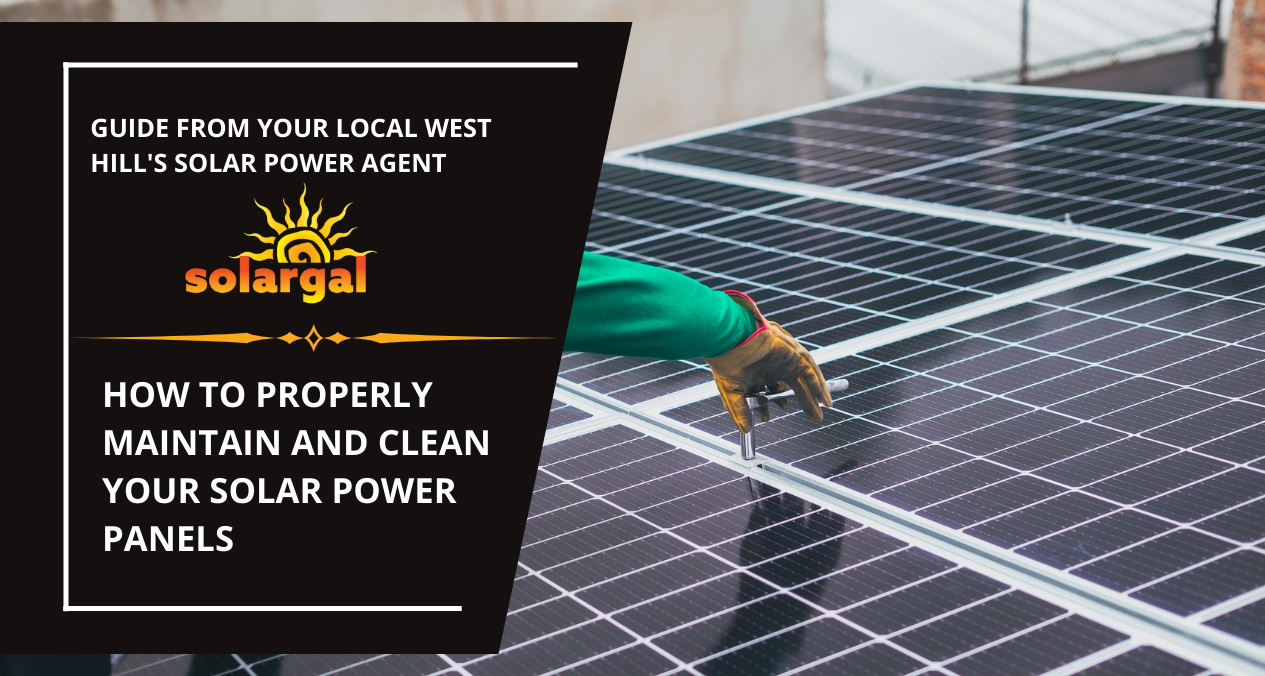
Investing in solar power is a great way to reduce electricity bills and support clean energy. However, to ensure maximum efficiency, homeowners in West Hills must keep their solar panels clean and well-maintained. Over time, dust, dirt, and debris can accumulate on the panels, reducing their ability to capture sunlight effectively.

In this guide, we will explore five essential steps to properly maintain and clean your solar power panels, ensuring they operate at peak performance all year long.


1. Schedule Regular Solar Panel Inspections

Routine inspections help identify issues before they impact energy production. Monitoring the condition of your solar power panels is crucial to their long-term efficiency.

What to Look for During an Inspection

  • Dirt and debris buildup that could block sunlight.
  • Cracks or damage from severe weather conditions.
  • Loose wiring or electrical issues affecting performance.
  • Shading problems caused by overgrown trees or nearby structures.

How Often Should You Inspect Your Panels?

  • Every 3-6 months for general checks.
  • After extreme weather events to ensure there’s no damage.
  • Annually for a professional inspection by a solar expert.

2. Clean Your Solar Power Panels the Right Way

Dirty solar panels can lead to significant energy loss. Cleaning them properly ensures they generate the most electricity possible.

Best Practices for Cleaning Solar Panels

  • Use a soft sponge or cloth with warm water to remove dirt.
  • Avoid harsh chemicals or abrasives that could damage the panel surface.
  • Clean early in the morning or late in the evening to prevent rapid evaporation and streaking.
  • Use a long-handled brush for hard-to-reach areas on rooftop installations.
  • Rinse thoroughly with water to remove any soap residue.

When to Clean Your Panels

  • Every 3-4 months in areas with heavy dust, pollen, or pollution.
  • More frequently if your home is near trees or bird activity.
  • Before peak summer months to ensure maximum efficiency.

3. Prevent Shading and Obstructions

Shading can drastically reduce the efficiency of your solar power panels. Keeping the area around them clear ensures optimal sunlight exposure.

How to Reduce Shading Issues

  • Trim overhanging tree branches that cast shadows on your panels.
  • Monitor new construction projects that could block sunlight.
  • Reposition garden structures or equipment if they interfere with sunlight exposure.

By ensuring your panels receive full sun exposure throughout the day, you can maximize energy production.


4. Monitor Your Solar Power System’s Performance

Tracking your system’s energy output can help detect potential issues early. Most solar power systems come with monitoring tools to track performance in real-time.

How to Monitor Your Solar Panels

  • Use your solar provider’s monitoring app to check daily energy production.
  • Look for sudden drops in efficiency, which could indicate panel dirt or damage.
  • Compare energy generation trends with past months to spot irregularities.
  • Set up alerts for system malfunctions or low production levels.

Regular monitoring helps ensure that your solar power system is working efficiently and prevents costly repairs.


5. Schedule Professional Maintenance Annually

While DIY maintenance is essential, professional servicing ensures that your solar panels and electrical components are in top shape.

Benefits of Professional Maintenance

  • Thorough cleaning and inspection for optimal efficiency.
  • Electrical component testing to identify and fix hidden issues.
  • Inverter and wiring checks to ensure energy is being converted efficiently.
  • Manufacturer warranty compliance, as some warranties require annual inspections.

When to Call a Professional

  • Annually, to keep your system in peak condition.
  • After major storms or extreme weather events, to check for damage.
  • If you notice a drop in energy production that can’t be explained by weather or seasonal changes.

Conclusion: Keep Your Solar Power Panels in Top Condition

Regular maintenance and cleaning are essential to ensure your solar power system operates at its highest efficiency. By following these five steps, you can keep your panels in excellent condition and maximize your energy savings.

Recap: 5 Steps to Properly Maintain Your Solar Power Panels

  1. Schedule regular inspections to detect issues early.
  2. Clean your panels properly to prevent energy loss.
  3. Prevent shading and obstructions that block sunlight.
  4. Monitor system performance for efficiency tracking.
  5. Schedule annual professional maintenance for optimal results.

Call to Action: Get a Free Solar Panel Maintenance Consultation!

Want to ensure your solar power panels in West Hills are running at their best? Contact a local solar expert for a free maintenance consultation and efficiency check.

Call now to schedule your service and maximize your solar power savings!

By taking proactive steps, you can enjoy a reliable and cost-effective solar power system for years to come.


Elise Shuben

Independent Solar Consultant | Real Estate Professional

Elise Shuben helps homeowners and businesses save with custom solar solutions. As a seasoned realtor and homeowner, she understands the value of reducing energy costs and increasing property value. Inspired by her son’s work in solar, she now offers solar installations, new roofs, and electrical panel upgrades with flexible financing—often costing less than current electricity bills. Elise provides purchase and lease options and offers generous referral fees. With a commitment to integrity and sustainability, she helps clients achieve energy independence and long-term savings.

Contact Elise today to learn more!

Accessibility Toolbar